Pancreatic Cancer Prevention
As part of our comprehensive cancer care, UC San Diego Health's Pancreatic Cancer Prevention Clinic offers prevention and screening services for people who may be at increased risk for pancreatic cancer.
Pancreatic cancer screening is relatively new, but it holds great promise in saving lives that might otherwise be lost to cancer. If you're interested in our screening services, ask your physician or genetic counselor for a referral.


Am I at Higher Risk of Pancreatic Cancer?
You may have a higher chance of developing pancreatic cancer if you have:
- A pancreatic cyst
- Family history of pancreatic cancer
- History of pancreatitis
- A genetic mutation that increases pancreatic cancer risk
Video: How Pancreatic Cancer Prevention Clinic Helps Save Lives

Dr. Andrew M. Lowy, a surgical oncologist, explains how the Pancreatic Cancer Prevention Clinic at Moores Cancer Center saves lives by screening patients who are at higher risk of pancreatic cancer. Early screening and diagnosis can help prevent or detect cancer early when treatment is most likely to be successful.
Prevention & Screening Services
After thoroughly reviewing your medical records, you will be evaluated by a surgeon and/or gastroenterologist. A team of specialists also reviews your history.
Your provider then recommends the next steps to prevent and detect disease. This can include:
- Ongoing surveillance (every 6–12 months) for those with a family history or a genetic syndrome associated with pancreatic cancer
- Evaluation and diagnosis of pancreatic cysts using technologies such as endoscopic ultrasound or magnetic resonance imaging (MRI)
- Surveillance or surgical treatment of pancreatic cysts associated with a high risk of cancer development
- Nutrition and lifestyle changes, including dietary changes (such as increasing vitamin D intake if you are deficient) or smoking cessation
- Genetic testing to determine whether you have a genetic mutation associated with pancreatic cancer
Testing for Hereditary Pancreatic Cancer
Up to 10 % of pancreatic cancers are believed to be caused by genetic mutations that can be passed from parent to child. Having a parent or sibling with pancreatic cancer can increase the risk to 4%. When two or more close relatives have pancreatic ductal adenocarcinoma (PDAC), the most common form of pancreatic cancer, the risk increases to as much as 40%. This is often referred to as familial pancreatic cancer.
We offer genetic testing to find inherited syndromes that can increase your risk of pancreatic cancer, including:
- Hereditary breast and ovarian cancer syndrome (BRCA1, BRCA2, PALB2 gene mutations)
- Familial atypical multiple mole melanoma (FAMMM) syndrome
- Hereditary (familial) pancreatitis
- Lynch syndrome (hereditary non-polyposis colorectal cancer or HNPCC syndrome)
- Ataxia telangiectasia (ATM gene mutations)
Genetic testing is done with a simple blood or oral swab test.
Benefits of Genetic Testing
Knowing that you have a genetic mutation associated with pancreatic cancer, you and your doctor can:
- Develop a personalized screening and prevention plan specific to the genetic mutation and your risk factors based on National Comprehensive Cancer Network (NCNN) guidelines
- Use lifestyle changes — such as exercise, nutrition and smoking cessation — to reduce your risk
- Inform your first-degree family members to get tested
Genetic Counselors & Screening Specialists
Make an appointment with a screening specialist to prevent or detect cancer early, when it is most treatable.
Cancer Prevention Through Lifestyle
You may be able to reduce your cancer risk and improve how you feel with certain lifestyle improvements.
Helpful Links
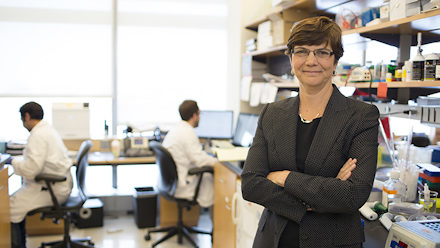
World-Renowned Surgeon Named New Director of Moores Cancer Center at UC San Diego Health
Following an extensive national search, Diane M. Simeone, MD, has been appointed director of Moores ...

UC San Diego Health Ranks No. 1 in San Diego, Makes National Honor Roll
UC San Diego Health has once again ranked No. 1 in San Diego, according to the 2023-2024 U.S. News &...
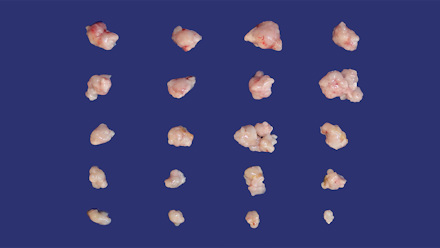
One-Two Punch: Novel Drug Pairing Could Beat Pancreatic Cancer
Mutations in the KRAS gene are the major driver of pancreatic cancer. The resulting protein controls...