Every 40 seconds someone in the United States has a stroke, and, according to the Centers for Disease Control, nearly one in four of those will have had a stroke previously. The causes for stroke can range from pre-existing conditions, such as obesity, high cholesterol, high blood pressure or other cardiovascular conditions, to adverse behaviors, such as smoking and excessive drinking.
Types of strokes can range from mild ischemic attacks to the more severe hemorrhagic stroke. In all cases, immediate care is essential — the quicker a stroke is diagnosed and treated, the better the outcome.

J. Scott Pannell, MD, is the director of neurointerventional surgery, endovascular neurosurgeon and a neurointerventional radiologist at UC San Diego Health.
We've asked J. Scott Pannell, MD, director of neurointerventional surgery, endovascular neurosurgeon and neurointerventional radiologist at UC San Diego Health, to answer some commonly asked questions about strokes, including who's at risk, types of treatments, and what support families and care takers can expect to provide after someone has suffered a stroke.
Why is time so important to a person's chances of surviving a stroke?
The longer a blood vessel remains blocked, the more likely it is that permanent damage is done to the brain. During a stroke due to complete blockage of a large vessel, it is estimated that nearly 2 million neurons die per minute.
Most patients benefit dramatically from access to high-quality medical care if they receive treatment within the first six hours of a stroke. Those first six hours are the typical window during which most patients benefit from procedures to open the blood vessels.
Many patients can still benefit up to 24 hours and beyond from high quality care, but the benefits diminish as time passes. At that point, special imaging is often required to determine who can still benefit from procedures to open the blood vessels.
In order to obtain timely high-quality care and treatment with the specialized imaging that is often required to help successfully diagnose strokes, patients should seek care from a medical center with a Comprehensive Stroke Center designation, such as UC San Diego Health, which was one of the first centers to obtain this designation in the United States.
BE FAST during Signs of a Stroke
Time plays a crucial role in stroke treatment — the sooner you receive emergency care the better your chances are of survival. Luckily, there’s a helpful acronym to help you identify the signs of a stroke: BE FAST.
If you notice any of these symptoms in yourself or a loved one, dial 911 immediately or get to your nearest emergency department:
B - Balance: Watch for sudden loss of balance or coordination
E - Eyes: Blurred vision, double vision or loss of vision in one or both eyes
F - Face: A sudden drooping on one side of the face, difficulty smiling or an uneven smile
A - Arm: Sudden weakness or numbness in an arm
S - Speech: Slurred speech, difficulty speaking or understanding speech
T - Time: Call 911 right away if you or someone you know is experiencing any of these symptoms.
How are strokes treated?
Strokes due to all ischemic causes — blood clots that block blood flow to the brain — are initially treated medically. Medications — such as tenecteplase (TNK) — are designed to dissolve or loosen blood clots and are administered intravenously, along with supportive measures that are intended to increase blood flow to the brain. These can include, but are not limited to, raising or allowing the patient's blood pressure to rise, and positioning the head of the bed so the patient is lying flat. While high blood pressure is concerning in the long term, during a stroke, elevating the blood pressure can preserve brain tissue and buy a patient time until we are able to treat the underlying causes of the stroke.
If a large vessel blockage is confirmed by imaging and if it's discovered in time for treatment a catheter-based procedure is performed from the groin or wrist to open the blocked blood vessel, restoring blood flow to the brain, which in some cases maybe done up to 24 hours or more in carefully selected cases.
If the vessel blockage is due to a clot from the heart, the clot is often simply removed by aspiration or sucking the clot out through a catheter with a vacuum pump.
If the vessel blockage is due to a cholesterol plaque, balloons and/or stents may be used to reopen the vessels, but open surgical revascularization — such as angioplasty or bypass surgery — is also an important option in some scenarios, particularly in the case of atherosclerosis if involving the carotid in the neck.
What are the most common types of strokes?
The most common type of stroke is an ischemic stroke. An ischemic stroke is caused by a lack of blood flow to the brain due to a blockage in the blood vessels to the brain. The two most common causes of blockages in blood vessels to the brain are a clot formation in the heart due to arrhythmias that then embolize or pass to the brain through the blood vessels, or cholesterol plaques forming in the vessels in the neck or head that progressively narrow the vessels.
Hemorrhagic strokes are also common and can involve younger patients. Hemorrhagic strokes result from bleeding into the brain due to high blood pressure, vascular lesions, such as aneurysms or arteriovenous malformations, or damage to the brain from trauma, prior stroke, or an underlying tumor.
What is the most common risk factor for stroke? Are they more common in men or women?
The most common risk factor for ischemic stroke is atrial fibrillation, which is an arrhythmia that causes the upper chambers of the heart to quiver rather than actually contract. This can cause ineffective emptying of the upper chambers of the heart, which then causes clots to form. The clots can then break free and embolize or pass through to the brain via the blood vessels.
Atrial fibrillation is more common in patients with advanced age, high blood pressure, obesity, sleep apnea, diabetes, existing heart conditions, lung disease, thyroid problems, and family history of atrial fibrillation.
The most common risk factors for plaques forming in the vessels in the neck and head are high blood pressure, diabetes, high cholesterol, and smoking.
Overall, women are at higher risk for stroke and death due to stroke than men, much of which is accounted for by greater longevity in women. Stroke is the third most common cause of death in women and the fifth most common cause of death in men. However, when controlling for longevity, the lifetime risk of stroke is very similar in both groups at about 25% for the average patient.
How does age affect stroke outcomes or does it?
Younger patients tend to recover from strokes much more quickly than older patients, but most stroke patients benefit from aggressive medical care and rehabilitation.
What do families and caretakers need to know about stroke recovery and support?
Stroke recovery can take three months or longer. For that reason, families need to be patient with their loved ones and realistic with themselves. Often, it's just not possible to be present for every moment of a three- to four-month-long recover process. In other words, stroke recovery is a marathon not a sprint, and we have to pace ourselves appropriately. The most important resource in the journey of stroke recovery is a good stroke neurologist. We have many exceptional stroke neurologists at UC San Diego Health to help you get the care you need.
Round-the-Clock Comprehensive Stroke Care
When a stroke happens, time is of the essence – the faster you are diagnosed with a stroke and treated, the better your chances are for recovery. The Comprehensive Stroke Center at UC San Diego Health offers round-the clock stroke care in a dedicated neurointensive care unit for complex stroke patients. UC San Diego Health is the only health system in the county with two designated stroke centers comprised of multidisciplinary teams of stroke experts, including neurologists, neurointensivists, neurosurgeons, cardiologists, nurses and rehabilitation therapists.
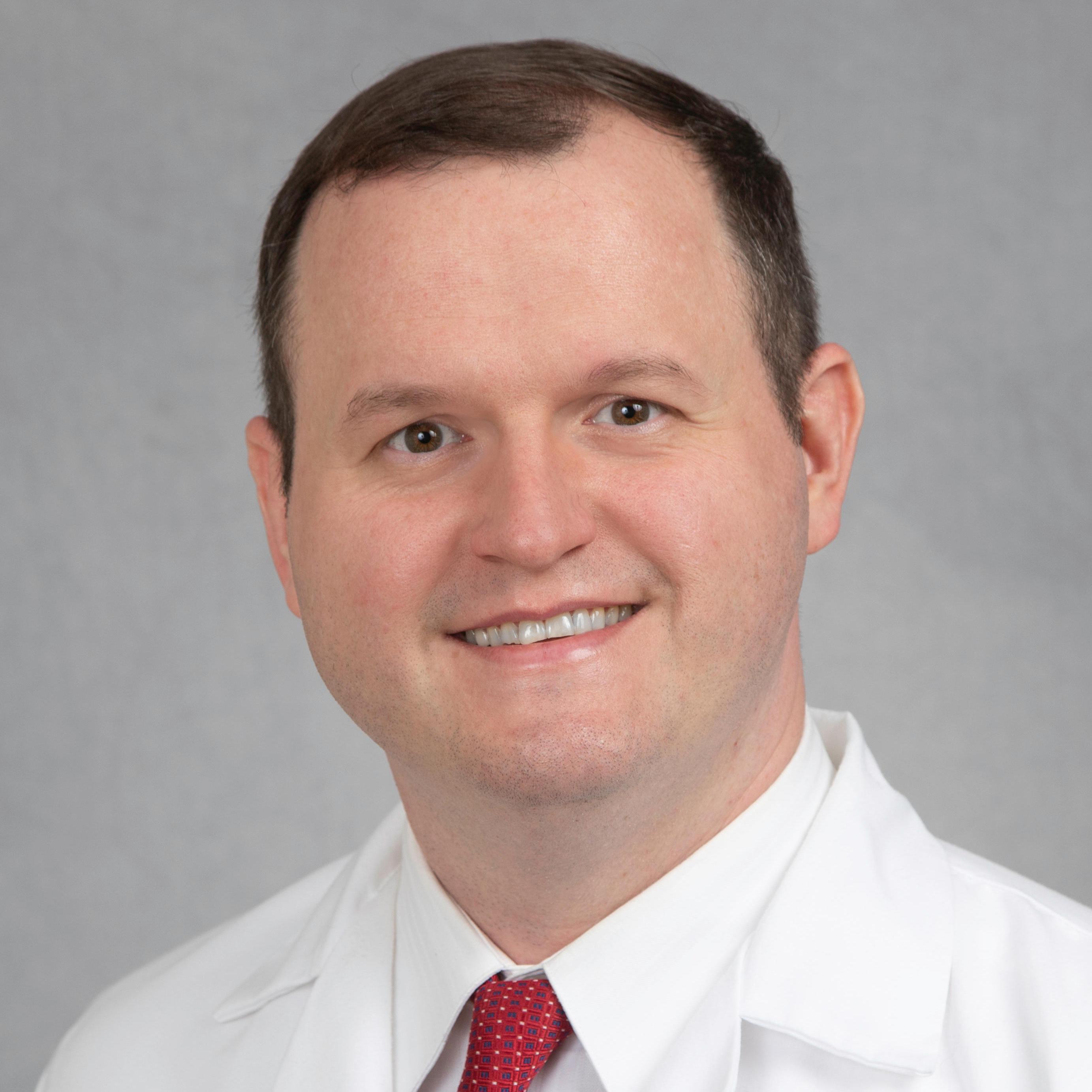
J. Scott Pannell, MD
- Endovascular Neurosurgeon and Neurointerventional Radiologist
- Chief of Endovascular Neurosurgery
- Director of Neurointerventional Surgery
- Associate Professor of Neurological Surgery and Radiology
Stroke Care Stroke Treatment Stroke Recovery
Stroke Care Stroke Treatment Stroke Recovery


